

To truly rank, you must understand Featured Snippets, Google’s Helpful Content System, E-E-A-T, and how they all connect to Voice Search SEO the future of online visibility.
At Webtric, we specialize in helping businesses adapt to these changing SEO landscapes and dominate Google’s evolving algorithms.
📧 Email: connect@webtric.in
🌐 Website: https://webtric.in/
📞 Call Now: +91 9619378155
What are Featured Snippets?
Featured Snippets are the concise answers that appear at the top of Google’s search results above all organic listings often called Position Zero.
These snippets can take various formats:
- Paragraph answers
- Bullet lists
- Tables
- How-to steps
- FAQs
For example, if someone asks Google:
“What is Voice Search SEO?”
Google might display a small text box explaining it pulled directly from a page optimized for that question.
Appearing in Featured Snippets gives your website maximum visibility, higher click-through rates (CTR), and even better chances of being used for voice search answers on devices like Google Assistant and Siri.
How Google Selects Featured Snippets
Google’s algorithm identifies snippets from pages that provide clear, concise, and authoritative answers to user queries.
Here’s what Google looks for when selecting a Featured Snippet:
- Relevance – Your content must directly answer a specific user query.
- Clarity – Information should be easy to read and formatted cleanly (lists, steps, or short paragraphs).
- Authority – Google prefers websites that demonstrate E-E-A-T (Experience, Expertise, Authoritativeness, and Trustworthiness).
- Technical SEO Health – Fast loading speed, mobile responsiveness, and structured data (schema markup).
Tip: The better your content structure, the easier it is for Google to extract and display your snippet.
How to Optimise for Featured Snippets & Rich Results
Featured Snippets are your fast track to ranking above competitors even those with stronger domain authority.
Here’s how you can optimize for them:
- Identify snippet opportunities using tools like Ahrefs, SEMrush, or Rank Math’s Content AI.
- Target question-based keywords (Who, What, Why, How).
- Structure your content with H2/H3s that clearly outline answers.
- Keep answers short and direct — aim for 40–60 words per snippet.
- Use schema markup (FAQ, HowTo, LocalBusiness, Article).
- Add tables, lists, and steps where relevant.
When optimized properly, your brand can appear in multiple snippet types, from FAQs to “How-to” boxes even voice search responses.
Voice Search SEO: What It Is, Why It Matters, and How to Optimize
In 2025, nearly 60% of searches are voice-based, and Google’s AI is getting better at understanding human speech patterns.
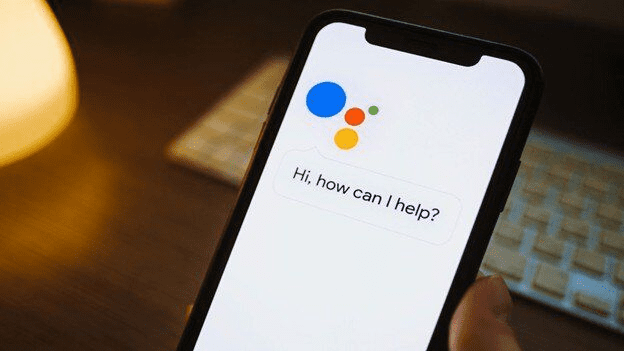
What is Voice Search SEO?
Voice Search SEO focuses on optimizing your website for spoken queries. Instead of typing “digital marketing Mumbai,” users say:
“Hey Google, who offers the best digital marketing in Mumbai?”
To rank for these, your content must sound natural, conversational, and question-oriented.
How Does Voice Search Differ from Traditional SEO?
| Factor | Traditional SEO | Voice Search SEO |
| Query Type | Short keywords | Conversational questions |
| Example | “SEO company Mumbai” | “Which is the best SEO agency in Mumbai?” |
| Focus | Keywords | Intent + Context |
| Results | Text results | Spoken answers |
| Ranking Factor | On-page + backlinks | Snippets + schema + mobile UX |
Voice search results are faster, localized, and more intent-driven, making them crucial for brands targeting local customers in Mumbai.
Content Optimization for Voice
The secret to winning at voice search? Focus on Featured Snippets and Helpful Content principles.
Most voice assistants Google Assistant, Alexa, Siri pull their answers directly from Featured Snippets.
So, if your content wins a snippet, you automatically increase your chance of being the spoken result on smart devices.
To Optimize Your Content for Voice Search:
- Write in natural, human-like language.
- Use question-based headers.
- Include FAQs at the bottom of every article.
- Provide short, factual answers in 40–50 words.
- Add FAQPage Schema Markup for structured visibility.
Technical SEO for Voice Search
Prioritize Mobile-First and Page Speed
Voice search is dominated by mobile users. If your site is slow or poorly designed on mobile, you lose ranking power instantly.
- Use responsive design.
- Compress images and enable caching.
- Improve Core Web Vitals (LCP, FID, CLS).
- Secure your site (HTTPS).
- Enable structured data for voice recognition.
A mobile-first, fast-loading website improves both user experience and voice search visibility.
How to Leverage Voice Search for Local Businesses
Local voice searches are exploding phrases like:
“Hey Google, best digital marketing company near me”
If you’re a business owner in Mumbai, this is your goldmine.
To dominate local voice SEO:
- Add “near me” keywords naturally.
- Optimize your Google Business Profile.
- Ensure NAP consistency (Name, Address, Phone).
- Collect positive Google reviews.
- Create geo-focused content, like:
“Why Webtric is the best digital marketing in Mumbai for startups.”
These small actions can push your brand into local voice rankings, where conversions are fastest.
What Are the Main Challenges of Optimizing for Voice Search?
- Limited visibility — only one spoken result is chosen.
- Evolving algorithms — constant Google updates.
- Tracking voice metrics — still limited data in analytics tools.
- Adapting to user behavior — regional languages, accents, and phrasing.
Still, businesses that adapt early gain an unbeatable competitive edge.
How to Write “People-First” Content (Google’s Helpful Content System)
Google’s Helpful Content System rewards pages that genuinely help users not those written only for rankings.
Key Principles of “People-First” Content:
- Write for humans first, search engines second.
- Showcase original insights, not rephrased AI text.
- Use visuals, examples, and statistics to prove authority.
- Keep readability high (avoid jargon).
- Demonstrate first-hand expertise — E-E-A-T in action.
When your content genuinely helps users solve a problem, Google keeps it at the top longer.
The E-E-A-T Checklist: How to Build Experience & Trust
E-E-A-T = Experience, Expertise, Authoritativeness, Trustworthiness.
Ways to Boost Your E-E-A-T Score:
- Add author bios with credentials.
- Include case studies or client results.
- Use HTTPS for site security.
- Publish testimonials and reviews.
- Link to credible sources.
Google uses E-E-A-T signals to decide which content deserves Featured Snippets and top rankings especially in industries like digital marketing, health, or finance.
Conclusion + Call to Action
Let’s recap the three pillars of modern SEO success:
- Conversational Content – Optimize for voice and snippet queries.
- Technical Excellence – Mobile-first design and site speed.
- Local Authority – Build credibility in your region (like Mumbai).
If you want to rank for best digital marketing in Mumbai, Webtric’s SEO experts can help you combine Voice SEO, E-E-A-T, and Helpful Content strategies to dominate both traditional and AI-driven search.
📧 Email: connect@webtric.in
🌐 Website: https://webtric.in/
📞 Call: +91 9619378155
FAQs
Q1: Should I stop optimizing for short-tail keywords?
No. Use both. Short-tail keywords help build topic authority; long-tail conversational keywords target voice search.
Q2: What specific Schema Markup should I be using for voice search?
Use FAQPage, HowTo, and LocalBusiness schema these help Google understand and feature your content in snippets and voice results.
Q3: Do I need to create content for specific voice assistants like Alexa or Siri?
No. Focus on Google Search optimization — most assistants fetch results from Google’s index.
Q4: Does website speed really matter more for voice search than traditional search?
Yes. Voice search results load 50% faster on average, making speed a crucial ranking factor.
Q5: What’s more important: snippet optimization or backlinks?
Both matter but Featured Snippets can help you outrank even high-authority competitors without heavy backlinking